Crypto Card for Travel: Booking Hotels, Flights and Car Rentals
A crypto card for travel suits flights and prepaid hotels, less so deposits and car rentals. How holds work, what to check and how to book a hotel with crypto.
A crypto card works well for travel purchases that are paid in full online, such as flights, prepaid hotel rooms, trains and activities. It's less reliable for anything involving a security deposit or a pre-authorisation hold, and some car rental companies and hotels require a physical credit card in the traveller's name. The honest approach is to use a crypto card where it fits and keep a backup payment method for deposits.
What works well with a crypto card when travelling
A prepaid virtual card funded with crypto behaves like any Visa or Mastercard at online checkout. Travel purchases that are charged once, in full, are the best fit:
- Flights. Most airline and travel agency checkouts take a card payment upfront.
- Prepaid ("non-refundable" or "pay now") hotel rates. You pay the whole stay at booking.
- Trains, buses and ferries booked online.
- Tours, attractions and event tickets.
- eSIMs and travel insurance bought online.
- In-person spending where Apple Pay or Google Pay is accepted, if you add the card to your phone. See adding a crypto card to Apple Pay and Google Pay.
Because the balance is held in USD, budgets are easy to follow: load a travel card with your trip budget and you can't overspend it.
Where it gets harder: holds and deposits
Many travel merchants don't take your money straight away. They place a hold (also called a pre-authorisation): an amount is reserved on the card and released later, or partly converted into a charge.
Common examples:
- Hotel incidentals deposit at check-in.
- Car rental security deposit, often several hundred dollars or more.
- "Pay at the property" hotel bookings, where the card secures the booking and is charged later.
- Fuel pumps that authorise a fixed amount before you fill up.
What this means for a prepaid card:
- The hold reduces your card's available balance until it's released.
- Release timing is set by the merchant and the card networks, not by you, and can take days. It varies widely, so don't rely on a specific number.
- If the card balance is too low for the hold, the authorisation is declined, even if the eventual bill would be smaller.
If you do use a prepaid card for a hold, load enough to cover both the hold and your actual spending, and keep the card active until the hold is released.
Car rentals: check the rules before you book
Car rental is the travel category where prepaid and virtual cards most often fall short. Many rental companies:
- require a credit card, not a debit or prepaid card, for the deposit;
- require the card to be in the main driver's name;
- require the physical card to be presented at the counter.
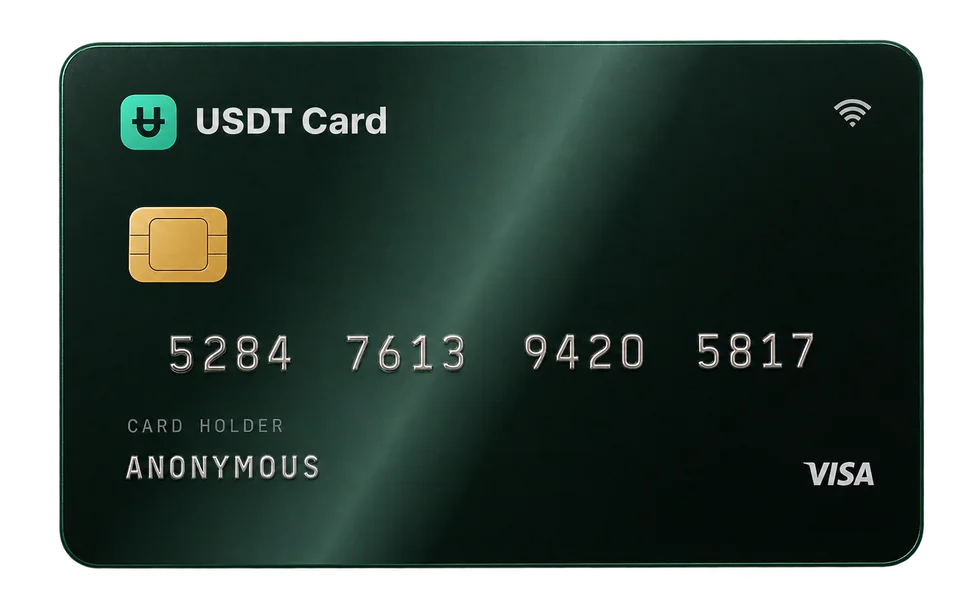
The default cardholder name on USDT Crypto Card is "Anonymous", and the standard card is virtual, so it won't meet those requirements. Policies vary by company and by location, so read the rental terms before booking, and plan to use a credit card in your own name where it's required. A prepaid card can still be useful for paying the rental itself where the company allows, or for fuel, tolls and parking.
Hotels: how to book a hotel with crypto
There are two ways to book a hotel with crypto:
- A booking site that accepts crypto directly. Some travel sites take crypto at checkout. Check cancellation and refund terms carefully, as crypto refunds can be handled differently.
- A crypto-funded card at any hotel or booking site. You deposit crypto, load a card, and pay like any card customer.
With the card route, prepaid rates are the smoothest. For "pay at the property" bookings, be ready for the hotel to ask for a card at check-in. Some hotels accept a phone wallet payment; others want to see a physical card, which may need to match your ID. If you expect that, bring another card in your name.
Flights: usually straightforward
Airlines and travel agencies usually charge in full at booking, which suits prepaid cards. Points to watch:
- 3D Secure. Airline checkouts often trigger a one-time code. On USDT Crypto Card the code is sent to your confirmed email; see 3D Secure on virtual cards.
- Currency. If the airline charges in another currency, the final amount may differ slightly after conversion. Leave a margin on the card.
- Card shown at check-in. Some airlines occasionally ask to see the card used for the booking, especially when someone else is travelling. Check the airline's policy if that applies.
Practical setup for a trip
- Deposit once, in advance. A single deposit of $300 or more has no deposit fee and unlocks Platinum, which removes the Virtual plan's limits of $5,000 per transaction and $20,000 per month. Deposits under $300 carry a 2% fee.
- Issue a dedicated travel card ($1) so trip spending is separate from subscriptions and online shopping.
- Load the budget plus a margin for currency conversion and the $0.30 per approved transaction fee.
- Add the card to your phone wallet for in-person payments.
- Keep your email inbox accessible for 3D Secure codes, and secure your account with 2FA before you go; see seed phrase and 2FA security.
- Freeze the card when you're not using it and unfreeze it when needed.
- Carry a backup card in your name for deposits and rentals.
Do you need a physical card?
Platinum users can order a physical card for a flat $20 delivery fee, with delivery taking around 21 days, so order well before your trip if you want one. Whether a physical card helps depends on where you're going and how you pay; virtual vs physical crypto card weighs it up.
Travel spending at a glance
| Travel purchase | Crypto virtual card fit | Watch out for |
|---|---|---|
| Flights | Good | 3D Secure, currency conversion |
| Prepaid hotel rates | Good | Card check at arrival in some hotels |
| Pay-at-property hotels | Mixed | Holds and incidentals deposits |
| Car rental deposit | Often not accepted | Credit card and name requirements |
| Trains, tours, tickets | Good | Currency conversion |
| In-person spending | Good via Apple Pay or Google Pay | Merchant acceptance |
A note on rules and refunds
Using a crypto card abroad doesn't change local laws or merchant terms. Rules on crypto vary by country, and this isn't legal or tax advice. If a booking is refunded, the money returns to the card it was charged on, so keep that card active until expected refunds arrive.
Frequently asked questions
Can I use a crypto card for travel?
Yes, for purchases paid in full online, such as flights, prepaid hotels and tickets. Deposits and car rentals are less reliable, because many merchants require a credit card in your name.
Can I book a hotel with crypto?
Yes. Either use a booking site that accepts crypto directly, or load a crypto-funded card and pay as a normal card customer. Prepaid rates work most smoothly.
Will a car rental company accept a crypto prepaid card?
Often not for the deposit. Many require a credit card in the driver's name, presented physically at the counter. Check the company's terms before you book.
What happens to a hotel hold on a prepaid card?
The held amount is reserved on the card until the merchant releases it or converts it into a charge. Release timing varies, so load enough to cover holds and spending.
Is there a foreign transaction fee?
USDT Crypto Card charges $0.30 per approved transaction. When a merchant charges in another currency, the network's conversion can make the final amount differ slightly from the checkout price.